
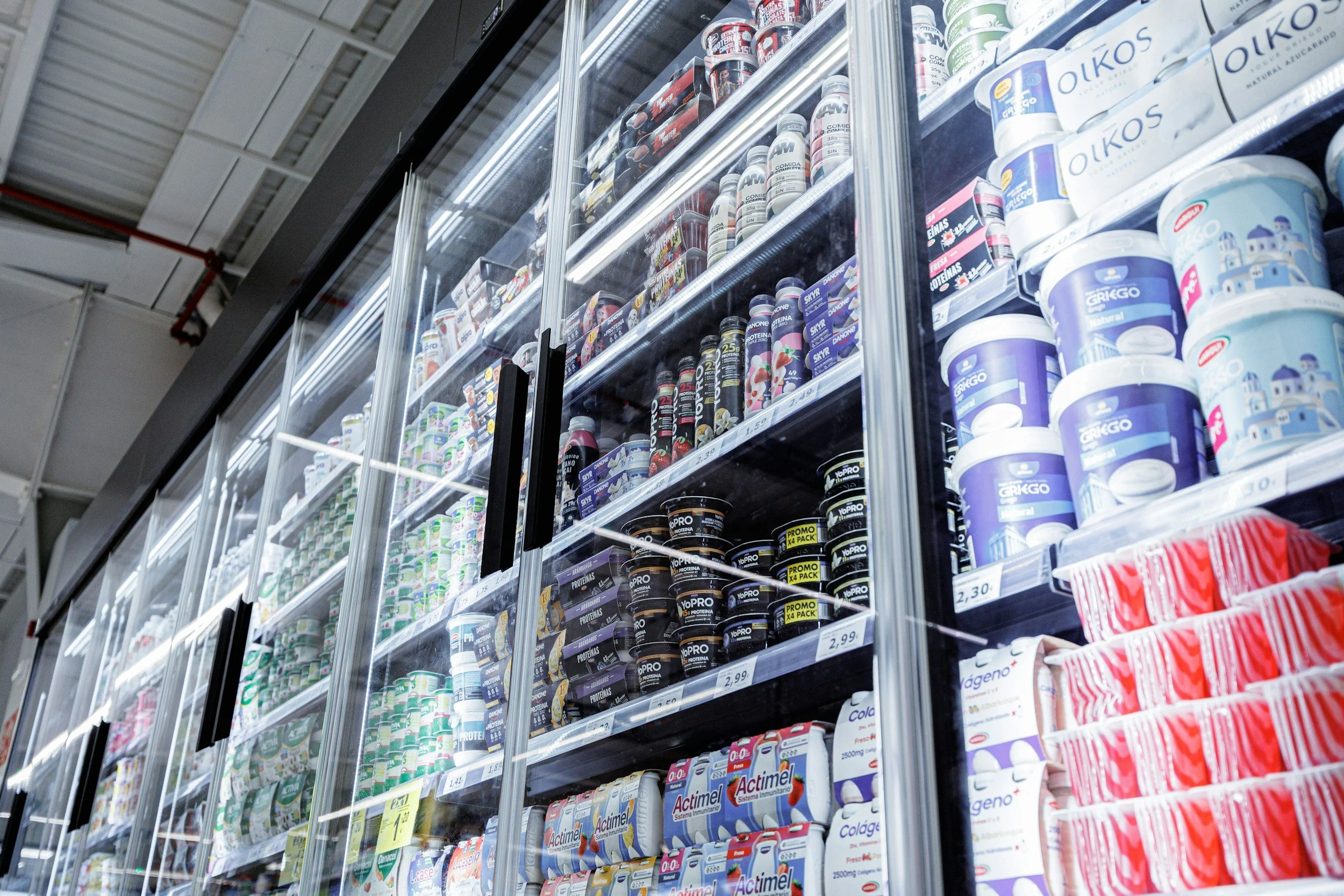
Refrigerated CPG Shipping for Small Brands: Challenges and Solutions
Small CPG brands launching perishable products face one of the toughest logistics hurdles in the industry. Refrigerated shipping keeps items like fresh dairy, craft beverages, ready-to-eat meals, or temperature-sensitive cosmetics intact from production to consumer. Yet for emerging brands with limited volumes, tight margins, and no established supply chain, the process often feels overwhelming. Costs escalate quickly, compliance demands are strict, and one temperature breach can ruin inventory or trigger recalls. This page outlines the core challenges and realistic solutions so you can build a reliable cold chain without overspending or overcomplicating operations.
Common Challenges in Refrigerated CPG Shipping
Temperature consistency remains the biggest risk. Frozen products must stay below 0°F; refrigerated items typically need 34–40°F. Even brief fluctuations during loading, transit, or unloading lead to spoilage, bacterial growth, or quality loss. Small brands rarely have the budget for premium reefer equipment, so they rely on standard carriers that may not prioritize cold chain integrity.
Costs hit hard from the start. Reefer trucks command higher rates than dry vans due to specialized refrigeration units, fuel demands, and maintenance. Insulated packaging, gel packs, dry ice, or thermal liners add expense per shipment. Peak seasons bring carrier scarcity, driving surcharges or delays. For brands shipping small batches, full truckload (FTL) options waste capacity, while less-than-truckload (LTL) refrigerated services carry premium pricing and longer transit times.
Compliance adds pressure. The FDA's Food Safety Modernization Act (FSMA) requires preventive controls for food safety; Hazard Analysis and Critical Control Points (HACCP) principles apply to many perishables. Pharmaceuticals or certain cosmetics fall under Good Distribution Practices (GDP). Non-compliance risks fines, product seizures, or brand damage. Small teams often lack in-house expertise to navigate these rules or document temperature logs properly.
Supply chain visibility creates another weak point. Without real-time monitoring, brands discover issues too late. Sensor failures, delayed alerts, or poor carrier communication lead to guesswork. Reverse logistics for returns or recalls becomes chaotic when products cannot be safely handled or resold.
Proven Solutions for Emerging Brands
Partner with the right providers early. Third-party logistics (3PL) companies specializing in cold chain offer refrigerated LTL, multi-temperature storage, and fulfillment tailored to smaller volumes. They consolidate loads from multiple brands, spreading costs and improving access to reefer capacity. Look for partners with IoT-enabled sensors for continuous tracking, automated alerts for deviations, and cloud-based dashboards for visibility. This setup reduces the need for in-house tech investment.
Leverage cost-effective shipping modes. Temperature-controlled LTL works well for small to medium batches; it combines your freight with others headed the same direction. For larger runs, reefer containers or intermodal (truck plus rail) cut long-haul expenses. Regional cold storage facilities shorten transit distances, lowering risk and fuel costs. AI route optimization tools, often provided by 3PLs, factor in weather, traffic, and carrier performance to minimize delays.
Prioritize smart packaging. Insulated boxes with thermal liners maintain temperatures for shorter hauls; gel packs or dry ice handle frozen needs. Vacuum-sealed containers extend shelf life. Choose biodegradable or recyclable options to align with consumer preferences and sustainability goals. Test packaging under real conditions to confirm it holds during expected transit times.
Build monitoring from day one. GPS trackers combined with temperature sensors provide end-to-end data. Automated systems send immediate alerts if thresholds are breached, allowing quick intervention. Blockchain or digital logs simplify compliance documentation for audits or retailers.
Focus on sustainable and scalable practices. Energy-efficient refrigeration in facilities and carriers reduces long-term costs. Load consolidation and optimized routing lower environmental impact while preserving margins. Start with pilots in high-demand regions to test setups before scaling nationwide or to e-commerce channels.
Shipping Options Tailored for Small Volumes
Temperature-controlled LTL: Ideal for batches under 15,000 pounds; cost-effective with carrier networks handling perishables.
Reefer FTL: Suited for larger promotions or seasonal spikes when you fill a trailer.
Expedited refrigerated: Protects time-sensitive launches or fresh launches.
E-commerce fulfillment with cold chain: Handles direct-to-consumer last-mile while maintaining freshness.
Companies like Delivered Cold offer services, but they do come with often steep contractual costs.
Intermodal refrigerated: Blends truck and rail for cross-country efficiency at reduced rates.
These options let you match capacity to actual demand instead of overcommitting resources.
Mastering refrigerated shipping comes down to strategic partnerships, targeted technology, and disciplined processes rather than chasing the most expensive hardware. Small brands succeed by starting lean, proving reliability with data, and scaling thoughtfully. Protect product quality, meet regulations, and control costs to keep customers coming back.
Frequently Asked Questions
What temperature ranges should small CPG brands maintain for refrigerated shipping? Frozen products stay below 0°F; refrigerated items hold 34–40°F to prevent spoilage and comply with FDA rules.
How much more expensive is refrigerated shipping compared to regular dry shipping? Reefer rates run 30–60% higher due to specialized equipment, fuel, and maintenance; small volumes face even steeper premiums.
Do small brands need their own reefer trucks or cold storage facilities? No; partner with 3PLs offering refrigerated LTL and shared facilities to access cold chain without heavy capital investment.
What happens if a temperature breach occurs during transit? Product may spoil or face recall; real-time sensors and alerts allow quick intervention to minimize loss and document compliance.
Next Steps: