
Navigating LTL Reefer Shipping to UNFI and KeHE: Challenges and Solutions for Emerging Brands
A conversation with Nick Janson, Commercial Director at FreshX.
A note from Brad Guldemond, the Founder of CPG Guy:
“As emerging CPG brands grow, getting products into major distributors like UNFI and KeHE often means dealing with refrigerated less-than-truckload (LTL) shipping. This can feel like a maze and the resources to learn this world are limited; however, new tools are changing that.
We enlisted the help of Nick Janson, the Commercial Director for FreshX. They have an exciting company that fills a massive need in our space! FreshX is designed for brokers and shippers, they make booking reefer LTL as easy as booking a flight”
What Is LTL Shipping and Why Do CPG Brands Need It?
LTL stands for less-than-truckload; it means shipping 1 or 2 pallets at a time and all the way up to 10 to 12 pallets in a shipment. These loads can’t fill an entire truck, but you still need to move these pallets where they need to go. For CPG brands, this is often the sweet spot when you're producing enough to supply regional distributors but not enough to justify a full 53-foot trailer. Think pallets of fresh tzatziki dip, frozen mango treats, or refrigerated specialty imported cured meats headed to a UNFI or KeHE distribution center. If you sell 3 SKUs, you might ship 3 pallets (1 pallet per SKU to avoid charges for mixed pallets at the destination) to each DC in the first week of every month. This is consistent, predictable volume, but nowhere near enough product to fill a truck. LTL is the solution.
Brands turn to LTL because it's cost-effective for smaller volumes. A full truckload might run you thousands, but LTL charges per pallet or by weight, keeping expenses in check during early growth. LTL markets are strong, competitive, and abundant; until you ask your freight broker to help lineup refrigerated LTL loads (called reefer). Reefer LTL, requiring temperature control for perishables, adds complexity. Without it, your goods spoil, and you face rejections or claims. Reefer LTL is a niche area of the logistics industry and even the best freight brokers will tell you they have limited access to reefer LTL carriers. This gap spawned FreshX. FreshX allows your freight expert to find you reefer LTL carriers across the lower 48 states, with multiple carries on every lane and weekly cadences to join a consolidation network to your end destination.
If you have refrigerate or frozen CPG items that need to get to KeHE, UNFI, or other distribution centers, FreshX is a must have for your freight broker. This is your entry point to big distributors. UNFI and KeHE demand reliable deliveries to their DCs; they won't wait if your shipment arrives late or warm.
Can I book LTL reefer shipments on my own?
Trying to handle LTL reefer shipping solo often backfires. Capacity is tight because not every carrier handles temperature-controlled partial loads. You might call around for quotes, but options are slim. If you end up in a network with variable delivery schedules, missed appointments are a common hidden cost. Distributors like UNFI impose strict delivery windows; arrive outside them, and you'll get hit with fees; sometimes hundreds per incident. Variable transit times make this worse. A carrier might promise three days but take five due to consolidation delays, throwing off your schedule. Penalties pile up quickly. KeHE, for instance, might deduct from your invoice for non-compliance, eating into margins already thin for emerging brands. And without visibility, you're guessing on costs; one bad lane can turn a profitable order into a loss.
The hardest part of going this alone: you are not specialized in the logistics industry. You may describe your freight in a way that makes sense to you; nobody knows your products better than you because you’ve been making these items for years. However, when pickup time comes, the carrier may have misunderstood, because industry lingo and freight classes are complicated and sometimes arcane. If you miss that pickup, you delay your shipment a week or more.
“In my time as CPG Guy, I have never discouraged a brand from trying to do something themselves. I think that drive to reinvent or learn is often how they got to where they are. But, when it comes to trucking, a good broker relationship is worth it’s weight in gold.” - CPG Guy Founder, Brad
Why Freight Brokers Are Key to Managing Your Shipping
Freight brokers specialize in this chaos. They act as intermediaries, leveraging networks to find carriers you couldn't on your own. For reefer and LTL, a good broker understands temperature requirements, lane specifics, and distributor rules. Brokers handle the legwork: quoting, booking, tracking, and troubleshooting. This frees you to focus on production and sales. They negotiate rates too, often securing better deals through volume. Where you unlock immense value is when you build a relationship long-term. A freight broker who learns your products, needs, quirks, schedules, and more is the type of partner who allows you to offload some of the burden in your day-to-day; and you can trust they will handle your business with care.
However, even brokers face limits. Traditional networks might have access to a single reefer LTL consolidator, and they cover a single lane or region. That's where marketplaces step in.
How FreshX Solves Reefer LTL for Brokers and Brands
FreshX is a marketplace built for reefer LTL, connecting your broker to over 110 carriers specializing in chilled, frozen, and ambient partial loads. Founded to fill a gap in perishable shipping, it centralizes pricing and lanes, making it simple to match freight to existing routes.
As Nick Janson, Commercial Director at FreshX, explained in our discussion: "We took all that information and standardized it into a pricing engine, and users can log into the platform run any search for a temperature controlled partial order anywhere across the country, and we'll return…the carriers who can service that order and their cost to serve."
This covers 99% of the lanes to the big DCs in the lower 48 states, with an average of five carriers per search, and up to 12-13 on busier routes. Brokers pay for access, but the payoff is instant quotes and reliable options, especially to UNFI and KeHE DCs. These lanes are competitive, and active; a major win for brands needing to get to DCs to serve more retailers.
FreshX adds carriers at a clip of about four per month, and they continue to focus on the tougher markets like outbound Florida or Canada-U.S. cross-border. They've moved tens of thousands orders since launching in early 2025, handling a variety of products like proteins, condiments, wine, ice cream, seafood, and dairy.
For brands, the benefit is direct and powerful: your broker uses FreshX to find consolidators already running to your target DCs, reducing variability and costs.
Understanding LTL Consolidators and Their Role
LTL consolidators are carriers that pool multiple pallets and partial loads in a city or region into a central location. They pick up regionally, consolidate overnight (often weekends), and deliver on set schedules.
Nick described it well: "They typically work an overnight shift over the weekend where they match up orders going to like destinations, and then they load up the outbound trucks to typically sail on Saturdays and Sundays for delivery the following Monday or Tuesday."
This model suits perishables; consolidators handle temps precisely and often have standing appointments at big DCs. Brands benefit from predictable timing and familiarity with KeHE and UNFI. Avoiding costly mistakes, fees, and penalties goes a long way towards improving your relationship with the distributor and preserving your margins for retail.
Using a broker with FreshX access means tapping these networks. Your pallet joins an established lane, avoiding solo-truck risks. As Nick noted, "There's a big scheduling lift and scheduling experience that brokers and shippers can really benefit from by working with these carriers who are already sending freight into these locations." You join the trucks already hitting your destinations, and you slot right into the existing process.
What does the ideal load size look like?
1 pallet all the way up to about 10-12 pallets or 12,000+ lbs. Once your shipment is that big, the cost will be nearly the same as your own truck, and we would suggest asking your freight broker to explore partial shipments (situations where you share a truck with one other load) if they have a large enough network.
Loading your shipment
There are multiple ways to get your products into a truck, but they all start with palletizing your cases, and securing them to the pallet with stretch wrap or straps. If you use a co-manufacturer, your products are palletized after they are put into cases. Once palletized, you can use a loading dock if your products are at a warehouse type facility, ground level loading utilizing a forklift if there are no docks, or liftgate pickup service. Liftgates are strongly cautioned, as requiring a liftgate pickup can reduce the available carriers by more than half for most routes.
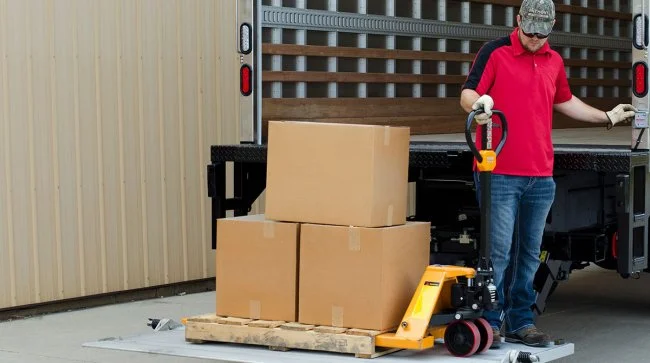
Liftgate pickup service
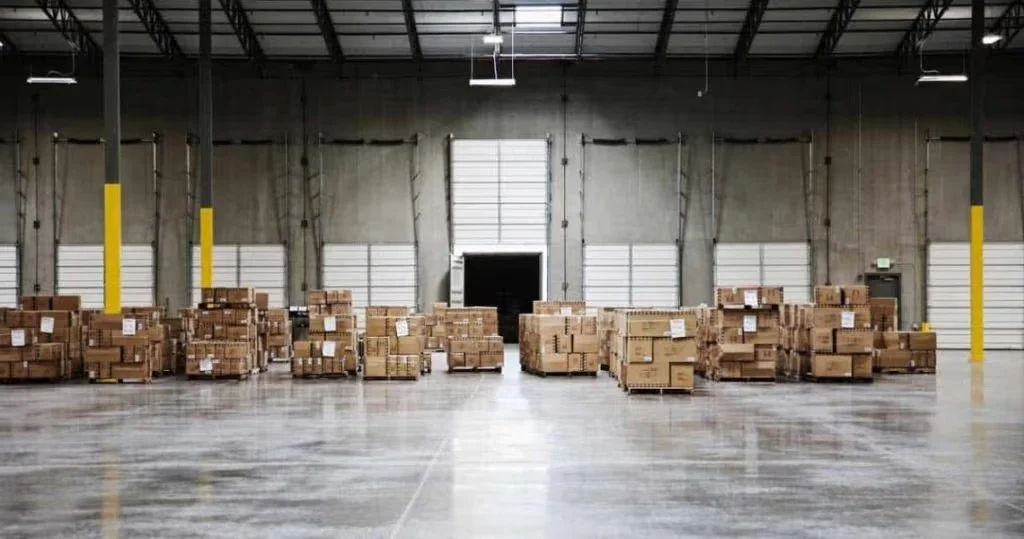
Dock delivery service
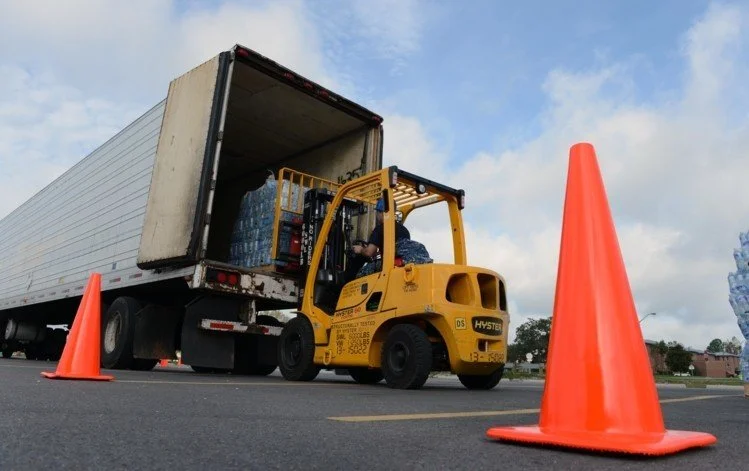
Ground level loading
FreshX's Future Tools for Even Better Efficiency
FreshX isn't stopping at matching. They're building an RFP tool for brokers to procure dedicated lanes, auto-filling carrier pricing for discounts on attractive business.
Nick shared: "We want to give brokers and shippers the ability to actually take an RFP, put that into the system, set their lane details, the volume going on the different lanes... and then push those RFPs directly to the carriers who’s network align well with those specific lanes."
They also enable facility-specific discounts, like cheaper rates to single UNFI DC if a carrier already runs heavy there. This builds density, lowering costs for everyone.
For brands scaling to UNFI or KeHE, this means more predictable pricing and fewer penalties; key to hitting growth targets without logistics derailing you.
Take Control of Your Reefer LTL Challenges
LTL reefer shipping to UNFI and KeHE is tough due to limited capacity, variable times, and strict rules, but it's conquerable with the right partners. Start by engaging a freight broker experienced in perishables; point them to FreshX for the broadest network of consolidators. This setup minimizes risks, stabilizes costs, and supports your growth from regional to national.
Continue reading: