
How to Find the Right 3PL Partner for Your CPG Brand
Finding a reliable third-party logistics (3PL) partner can make or break your CPG brand's growth; the wrong choice leads to delays, higher costs, and frustrated customers. This guide walks you through a practical approach to searching for 3PL that aligns with your operations, geography, and needs. We'll cover mapping your network, understanding market realities, doing the groundwork, and making a strong introduction; all tailored for emerging brands scaling from startup to mid-market.
Mapping Your Current Network
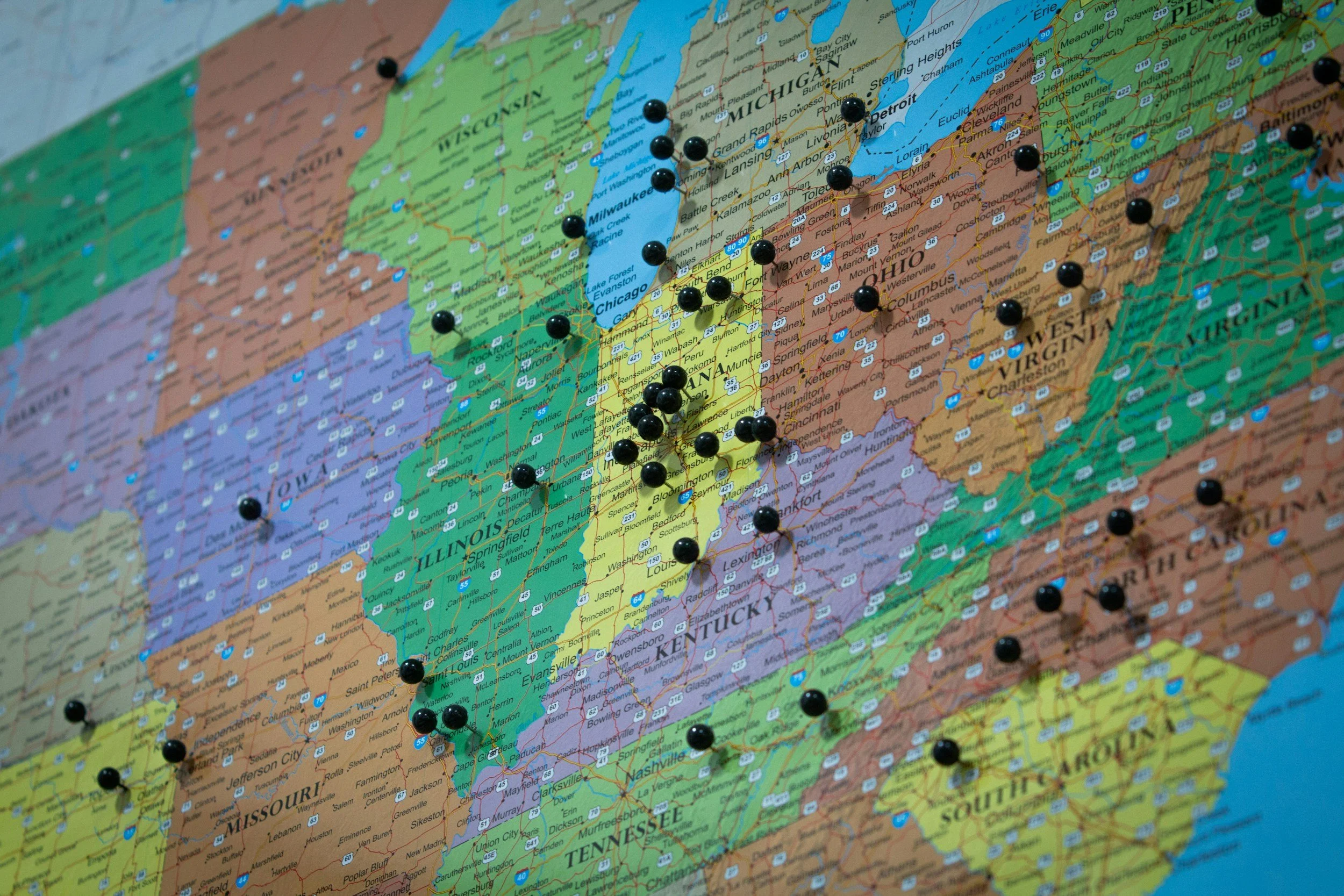
Start by laying out your supply chain on paper or a simple digital tool. Identify key nodes like suppliers, manufacturing sites, warehouses, and major retail partners. This map reveals where your products flow most frequently; it also highlights gaps where a 3PL could add value.
Look for providers that fit naturally into this setup. For instance, if your brand ships perishables from a Midwest production hub to East Coast retailers, prioritize 3PLs with facilities near those routes. Avoid forcing a fit with distant partners; proximity reduces transit times and costs.
An important thing to understand is the concept of reducing touches. Every “touch” is another step in the movement of your goods, and often done by a human. Each touch adds costs; no exceptions.However, adding touches in one part of the chain can remove costs somewhere else.
For example: a company imports bulk ingredients from France to Iowa. In Iowa they produce products which are warehoused and distributed by a partner in Chicago, to retailers all over the Midwest. The most logical method to source ingredients would be to book container loads direct from France all the way to Iowa; however, the right logistics and trucking partner could suggest shipping overweight containers to Newark, NJ. From there they trans-load them into max weight compliant trucks near the port, and every 6 containers they have enough materials to make a 7th max weight truckload. We added a touch, but reduced the cost of goods by importing more per container. This is what makes supply chain management so complex, every variable can be independent and also dependent on other variables. it is still a good rule of thumb to reduce touches as best you can.
Another example: a brand makes functional beverages in Long Island, NY, and they get ingredients from LA. They chose that co-manufacturer because it was only a 30 minute drive from their office and they could be on-site to inspect occasionally. The ingredients are in LA because all the critical ingredients are only sold by co-manufacturers already doing work with them in the LA market. Once they complete a manufacturing run with a co-packer in Long Island ships the beverages to Chicago, Denver, Houston, and LA for regional distribution. Here we can see a classic example of an extra touch: our ingredient supplier also co-manufacturers using our ingredients AND they are significantly closer to our markets. The trucking costs to go from LA to NY, and back to LA (or other markets) makes this product’s price non-competitive when on the shelf next to other products.
Once you have mapped your network, identify population near your manufacturing or distribution points, this is the best approach for savings. Alternatively, you may want to find an equidistant region if you do large scale distribution, or several distribution points to match your volume needs by region.
Understanding Geographic Distribution
Not all regions offer the same 3PL options. Larger population centers like Atlanta, Chicago, or Dallas host clusters of facilities with specialized services such as cold storage or each-picking for e-commerce orders. These hubs often align with major distributors' distribution centers (DCs), making integration smoother.
In contrast, remote areas like northern Idaho might lack advanced options altogether. Factor in your product's requirements; dry goods tolerate more flexibility, but temperature-sensitive items demand proven infrastructure. Research regional availability early to set realistic expectations.
There are many nuances in the logistics and warehousing market, and demand can drive prices, too!
Doing the Legwork (or Hiring a Broker)
Finding the right 3PL requires effort. Use Google Maps to search; the most effective way is to visually display your area on your screen and type in “food grade warehousing”, “public warehousing”, “logistics”, or “cold storage”. Compile a list of candidates, then dive deeper by visiting their websites, reading reviews, and filling out contact forms.
Cold calls work too; prepare a script with basic questions about services, capacity, and pricing. If this feels overwhelming, consider a logistics broker; they handle the outreach for a fee, often saving time and uncovering hidden gems. Other brokers may not charge upfront, but they will invoice you with pass-thru invoices from the warehouse with a small markup.
Sharing Details Upfront for Better Matches
Once you connect, be transparent about your needs. Describe your product type, storage requirements, and any special handling like hazmat or fragile items. This upfront honesty helps mismatched providers bow out gracefully; many will even refer you to better-suited competitors.
For example, a 3PL focused on bulk freight might admit they're not ideal for small-parcel DTC shipments and point you toward a specialist. This self-selection streamlines your search and builds goodwill in the industry.
Introducing Yourself Effectively
When reaching out, keep your pitch concise and informative. Start with: "I'm [Your Name] from [Company Name], a CPG brand specializing in [product category, e.g., organic snacks]." Follow with your logistics footprint: "We move products from [origin locations] to [key destinations like retailers or regions]."
Include key metrics: "Our typical volumes are [X pallets in, Y out per month], with average storage needs for [Z units]. Shipments average [size, e.g., 50-200 cases], and we require [special handling, e.g., refrigerated transport]." This detail lets them assess fit quickly.
Searching for a 3PL is about alignment, not just availability; map your network, respect geography, invest in research, and communicate clearly to find a partner that supports your growth. With the right one, you'll streamline operations and focus on what matters: building your brand.
The most important part of this process is building a relationship. Your long-term success hinges on the long-term partnership of the vendors you work with. Problem solving together, growing together, and understanding how to be a good customer and good vendor all play a role in building the partnership for the long-term success of your brand.
Frequently Asked Questions: Finding the Right 3PL Partner
How do I start mapping my network to identify good 3PL candidates? Plot your suppliers, co-manufacturers, production sites, and major retail or DTC customers on a basic map. Highlight high-volume lanes and clusters. Target 3PLs near those key nodes; proximity cuts transit time and freight costs. Natural alignment beats forcing a distant fit every time.
Why is geography such a big factor in choosing a 3PL? Major metros offer far more specialized options: cold storage, each-picking, multi-channel fulfillment. Remote areas often lack advanced capabilities. Match your needs (temperature control, parcel volume, etc.) to what actually exists in realistic regions; otherwise you pay extra for long-haul trucking or compromise service.
What details should I share when first contacting a potential 3PL? Keep it concise: company name and product type; main origin and destination points; monthly inbound/outbound volumes; average storage levels; typical shipment sizes; any special handling (refrigerated, lot-coded, fragile). Clear information lets them qualify themselves quickly; many will refer you elsewhere if they’re not the right match.
Next:
What red flags do you need to watchout for as you being the selection process?