
October 3-7 | Starting at $500How to Get Retailers to Sell Your CPG Products: A Practical Guide to Retail Success
Emerging CPG brands often hit a wall when trying to land retail placements; retailers are picky, focusing on items that sell fast and match their shoppers. As they should, retail space is limited and velocity is critical. This guide walks you through the essentials, from grasping what buyers prioritize to crafting pitches that work and using shelf analysis to spot opportunities. We'll cover strategies to secure shelf space, sidestep mistakes, and build on real examples. If you're searching for ways to convince a retailer to carry your product or wondering what shelf analysis involves, this lays it out step by step.
First start by understanding that you need a retailer to bring on your product, that is how you get placed with a distributor. You do not ask a distributor (like UNFI) to add your product and then you sell it to retailers. We explain this here.
Understanding Retailer Priorities: What They Really Want
Retailers stock shelves to drive profits, not to experiment with unproven ideas; they seek high-velocity products that boost margins and attract repeat customers. Research their assortments first; identify gaps in categories or trends they're chasing, like clean-label snacks in natural grocers. If you come prepared with the research of the category and where you see gaps, you dramatically increase the odds of a “yes”. Buyers are constantly inundated with hopeful founders trying to sell their products; every ounce of friction you can reduce in the process increases your odds.
Tailor your approach to their demographics; a value-focused chain might want budget-friendly staples, while a specialty store looks for premium, niche items. Show how your product fills a void or complements their lineup; that's the hook that gets attention. You should be reaching out to category managers and asking what their category strategies are and if you fit into them. We detail how to reach them here on our buyer outreach page. Understand that a retailer will look at a winning category and want to expand it with local, organic, or whole ingredient products; they will also look at a weak category and ask what can we add to bolster this category in our customer’s basket.
How to Contact Retail Category Managers
A category manager is the person inside a grocery retailer who owns a specific group of products, such as snacks, beverages, dairy, or frozen. Their job is to decide which items get shelf space, how they are priced, where they sit on the planogram, and which promotions run. They balance retailer margin, shopper demand, and supplier performance. In most chains the title “category manager” or “category buyer” is used interchangeably; both roles control the assortment you are trying to enter.
Larger national and regional grocers organize around categories. A single category manager typically reports to a category director or senior merchandising leader who oversees several related categories. Above them sits a VP of merchandising or chief merchandising officer who sets overall strategy. In very large operators the structure can include regional category managers who adapt the national plan to local markets. Smaller independents and single-store operators often collapse these roles; the owner or a general buyer handles multiple categories at once.
Understanding this hierarchy matters because the person who can say yes to your product is rarely the store manager. You need the category manager (or the buyer who covers that category) and, in some cases, their director if the ask is larger. Knowing who owns the category and who they report to lets you target the right conversation instead of wasting time at the wrong level. For smaller retailers, the store manager might do the decision making, or a bakery/deli manager. Understanding the structure of your target retailer does matter for your pitch.
The most effective way to reach category managers and retail buyers is through LinkedIn and a short, professional email. These channels give you direct access without the noise of a general inquiry form. Your message needs to be concise and focused on their needs, not a full product pitch. Open by showing you understand their assortment or recent category trends, then state one clear reason your product helps them grow sales or fill a gap.
Before you send anything, map the competitive landscape. Ask yourself:
How does your product stand out?
Is there a current competitor already on shelf?
What is your clear value proposition?
How crowded is the category?
Is the market growing or shrinking?
Where does your item fit in their assortment?
If you already have retail placements, list the banners and regions. That track record lowers perceived risk and often opens the door faster than any claim about potential.
Ask whether the retailer has someone dedicated to new or emerging brands. Many mid-size and regional chains do. Those contacts exist specifically to evaluate smaller suppliers and can guide you through their process.
Once interest is confirmed, send a one-page sell sheet. Category managers receive hundreds of requests each year and expect this format. A strong sell sheet includes:
Product description
Unique selling points
Suggested retail price
Early success stories or velocity data
Samples come only after that interest is expressed. Sending them cold usually means they never reach the right person. Limit follow-ups to one thoughtful note and a single polite check-in. If there is no reply, move on and refine your approach for the next retailer. Rejection is normal; treat each response as data that improves the next outreach.
Why Building Relationships with Retailers Matters
A single pitch rarely lands lasting shelf space. Retailers control what gets ordered, how it is merchandised, and whether it stays. When you treat the first conversation as the start of an ongoing relationship instead of a transaction, you gain access to the information that actually drives decisions.
Strong relationships deliver practical advantages:
Access to POS data and category performance feedback
Early notice of planogram resets and assortment changes
Willingness to test secondary placements or new stores
Advocacy with their distributor when slotting decisions arise
Retailers instruct distributors which items to carry. A buyer who knows you, trusts your follow-through, and sees consistent communication is far more likely to push for your product than one who only remembers a cold pitch.
Over time the same buyer who once tested two cases can become the person who expands you into additional stores. They see the velocity numbers, the customer response, and the fact that you stay engaged without demanding constant attention. That credibility compounds.
Founders who disappear after the initial placement usually get delisted quietly. Those who check in with useful updates, ask about category performance, and solve small issues quickly tend to earn more facings and longer runways. Relationships do not replace the need for a strong product and solid shelf analysis. They simply turn a one-time approval into a working partnership that protects and grows the placement you worked hard to win.
Knowing how to contact them is half the battle, but the most important part is conducting a shelf analysis long before you start hitting the beat and knocking on doors.
What Is a Shelf Analysis and Why We Recommend It
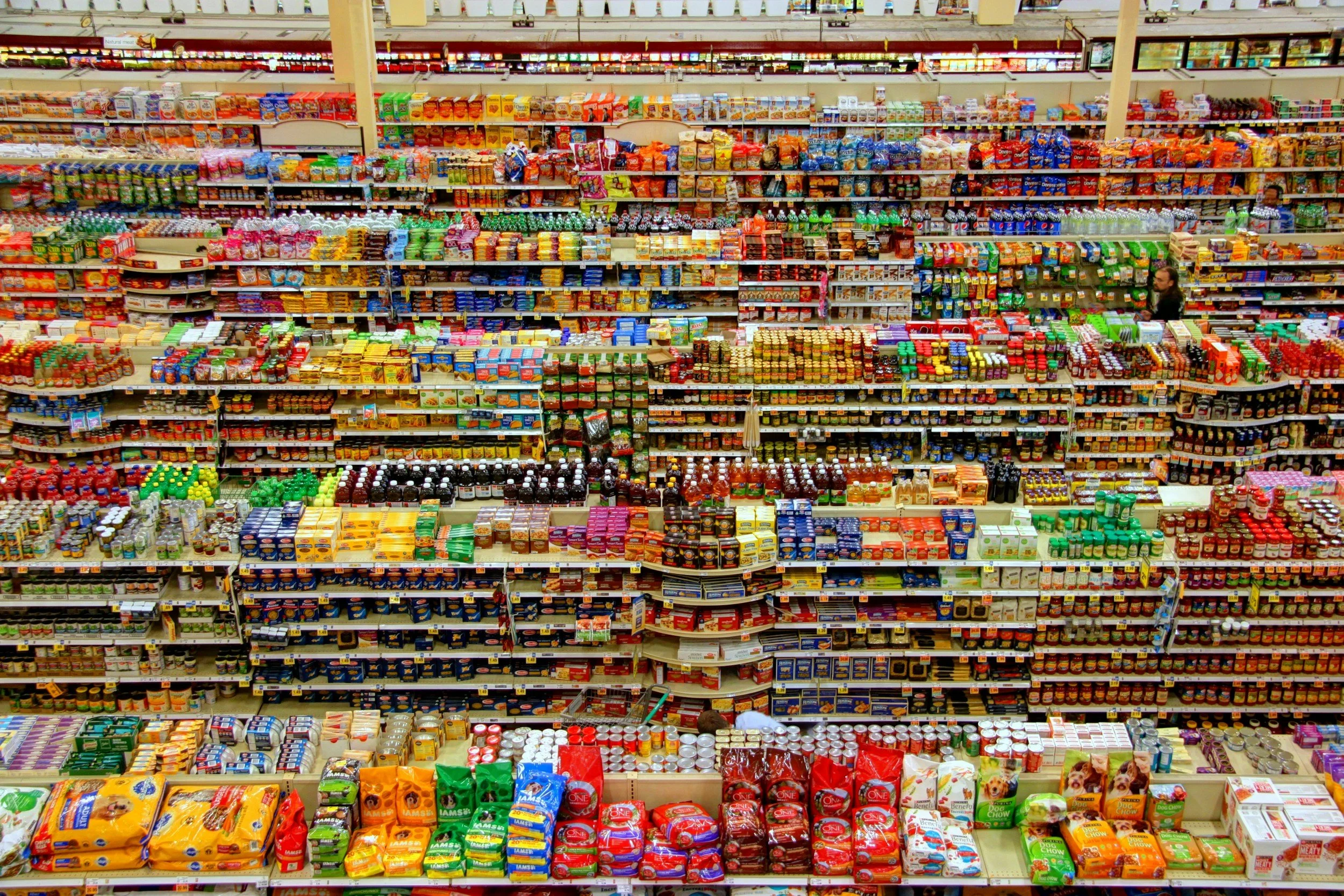
Shelf analysis examines in-store product arrangements, competitive setups, pricing, and gaps; it reveals how categories function in the real world. Retail shelves reflect consumer attention, retailer preferences, and market dynamics. Dominant brands claim prime spots for a reason; gaps signal opportunities.
We recommend it because it arms you with data for buyer meetings; vague enthusiasm fails, but insights into unmet needs succeed. It helps position your product as a strategic fit rather than another SKU. Founders who skip this step risk poor placement or quick delisting.
How to do a Shelf Analysis
Conducting a shelf analysis takes time and attention to detail; rushing it defeats the purpose. Plan to spend at least two to three hours per retailer across multiple stores. The more locations you visit, the clearer the patterns become.
Prepare before you go. Identify the target category or closest adjacent categories. Bring a notebook, phone for photos, and a checklist. Decide in advance what you are measuring: brand names, pack sizes, price points, number of facings, shelf position (top, eye-level, knee-level, bottom), promotional signage, adjacency products, and any out-of-stocks or empty hooks. Don’t forget end caps can be active also!
Pick the target retailer and identify the most relevant aisle or section (or the closest adjacent sections if your category is not obvious).
Visit at least two stores of that chain; patterns only show up when you see multiple locations. If you sense something is off with one layout, add more locations.
Enter the aisle and take wide photos of the entire section first so you can see the full layout later.
Move methodically down the aisle. For every relevant product or brand cluster, record:
Exact retail price and unit price if shown.
Package size or count.
Number of facings (how many units side-by-side).
Shelf position (top, eye-level, knee-level, bottom).
Packaging standout features (color, key claims, design style).
Any secondary placement (end-cap, wing, floor display, signage).
5. Note the dominant brands and how much space they control; the golden zone (eye-level) almost always goes to the highest-velocity or highest-margin items.
6. Map the pricing tiers; look for good/better/best structure or obvious voids (e.g., nothing between $4 and $10).
7. Identify assortment gaps; missing formats (large family size, single-serve), flavors, ingredients, or claims that shoppers want but cannot find.
8. Check adjacencies; what is placed next to what and why (cross-sell opportunities).
9. Photograph everything you can; stores are public. Use the photos to annotate later.
Once you finish in-store work, organize everything. Transcribe notes into a spreadsheet or document. Group findings by theme: assortment gaps, pricing voids, dominant players, visual hierarchy. Add your own product into the analysis; ask where it would fit best and why it would improve the section (incremental sales, better margin for the retailer, filling a consumer need).
Real-World Example: Conducting Shelf Analysis When No Clear Category Exists
Your product sometimes does not have an obvious home; that is exactly when shelf analysis separates winners from the pack.
A frozen Indian sauce brand targeted Fresh Thyme, the founder wanted to attempt a slack out program with the retailer. Walks showed zero frozen Indian sauces and zero fresh Indian sauces. Ambient shelves had legacy shelf-stable brands; budget priced, mild flavors, highly processed ingredients, nothing bold or whole-food. Frozen had mass-produced prepared Indian meals and bagged Asian noodle dishes; clean labels were nowhere and bold flavors were not an option.
She then checked fresh prepared foods. Ethnic sauces like tzatziki, chimichurri, and labneh sat there at solid prices; all in 12- or 16-ounce sizes, none at her 32-ounce format. Demand for convenient fresh ethnic sauces was clear; supply had not caught up. This also signaled that her packaging size might be suited for DTC but not for retail shelves.
She locked her analysis on that fresh prepared section. Documented every sauce by size, price, ingredients, placement. The gap jumped out: no large-format, premium fresh Indian sauce with real ingredients. She brought the photos and notes to the category manager and positioned her product as a natural expansion of an already winning ethnic sauce segment. Focus stayed on unmet demand.
Shelf Placement and What a Planogram Is
Placement drives sales; eye-level spots can generate two to three times the velocity of knee or bottom level. End-caps and secondary displays explode numbers during promos.
Retailers control this with planograms; precise visual maps that dictate exact product location, facings, shelf height, and quantity per bay across every store. Planograms are built on sales data, supplier deals, category goals, and sometimes slotting money. They enforce consistency and squeeze maximum profit per linear foot. Planograms are so prevalent that there are multiple software offerings that manage these and every retailer. Here is an example of what a planogram looks like.
Emerging brands rarely get ideal placement at first; use shelf analysis to show why you deserve better. When your data proves higher velocity potential or stronger adjacency, buyers adjust the planogram on the next reset.
Another Real-World Example: The Natural Cleaning Brand
A natural cleaning brand wanted to jump from independents to national chains. Shelf audits across multiple retailers told the same story. National brands and private labels owned eye-level with aggressive pricing. A massive pricing void sat between budget ($1.75-$4) and true premium ($10+). Mid-tier was weak or missing.
Ingredient gaps were glaring; mainstream relied on harsh chemicals, premium went ultra-niche. The brand’s plant-based, effective formula landed squarely in the underserved middle.
The founder rebuilt the pitch around those facts. No head-on war with giants; instead, fill the pricing and ingredient hole, drive incremental category dollars, capture the growing better-for-you shopper who balks at premium prices. Data turned a generic ask into a business case. Placements followed; performance expanded them.
Retail shelf space goes to founders who do the homework. Understand buyer priorities, conduct rigorous shelf analysis, handle missing categories with smart scouting, and learn how planograms actually work. Walk the stores, document relentlessly, present clear opportunities. That is how unknown brands become stocked brands. Skip any of it and you stay on the outside.
Next:
Explore pricing strategies now that you know your category
Learn all about KeHE & UNFI, and why you need a retail partner before a distributor